
OEM Approvals: Industry Progress or Profit-Driven Pitfall?
A closer look at how equipment approvals are shaping the collision repair industry.
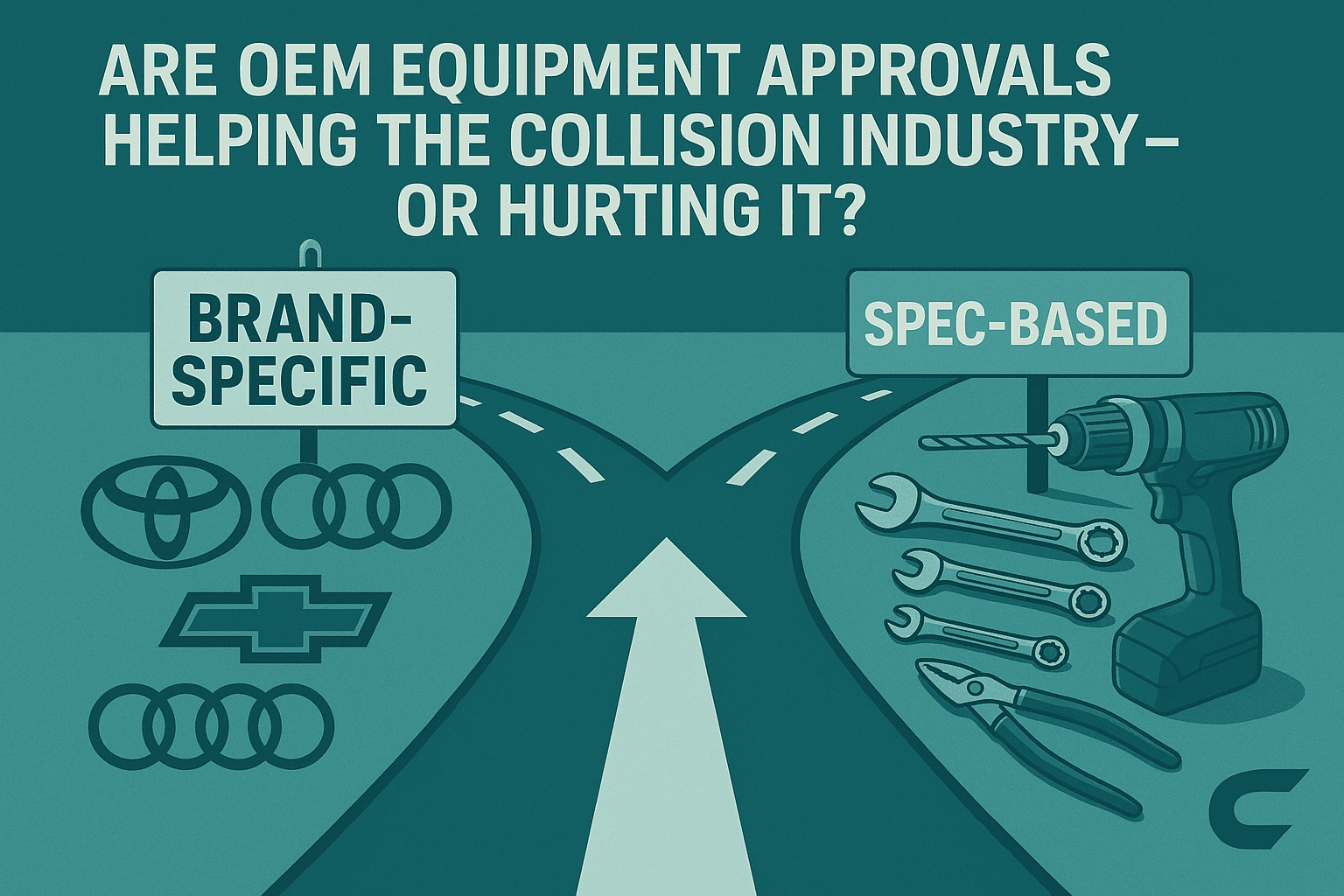
In recent years, the collision repair industry has seen a growing shift toward specification-based equipment approvals—and that’s a positive step forward.
Instead of mandating specific brands, these programs evaluate tools based on performance, functionality, and technical standards. This encourages competition, innovation, and gives shops the flexibility to choose what works best for them.
But not all OEMs are moving in that direction.
The Problem with Brand-Specific Approvals
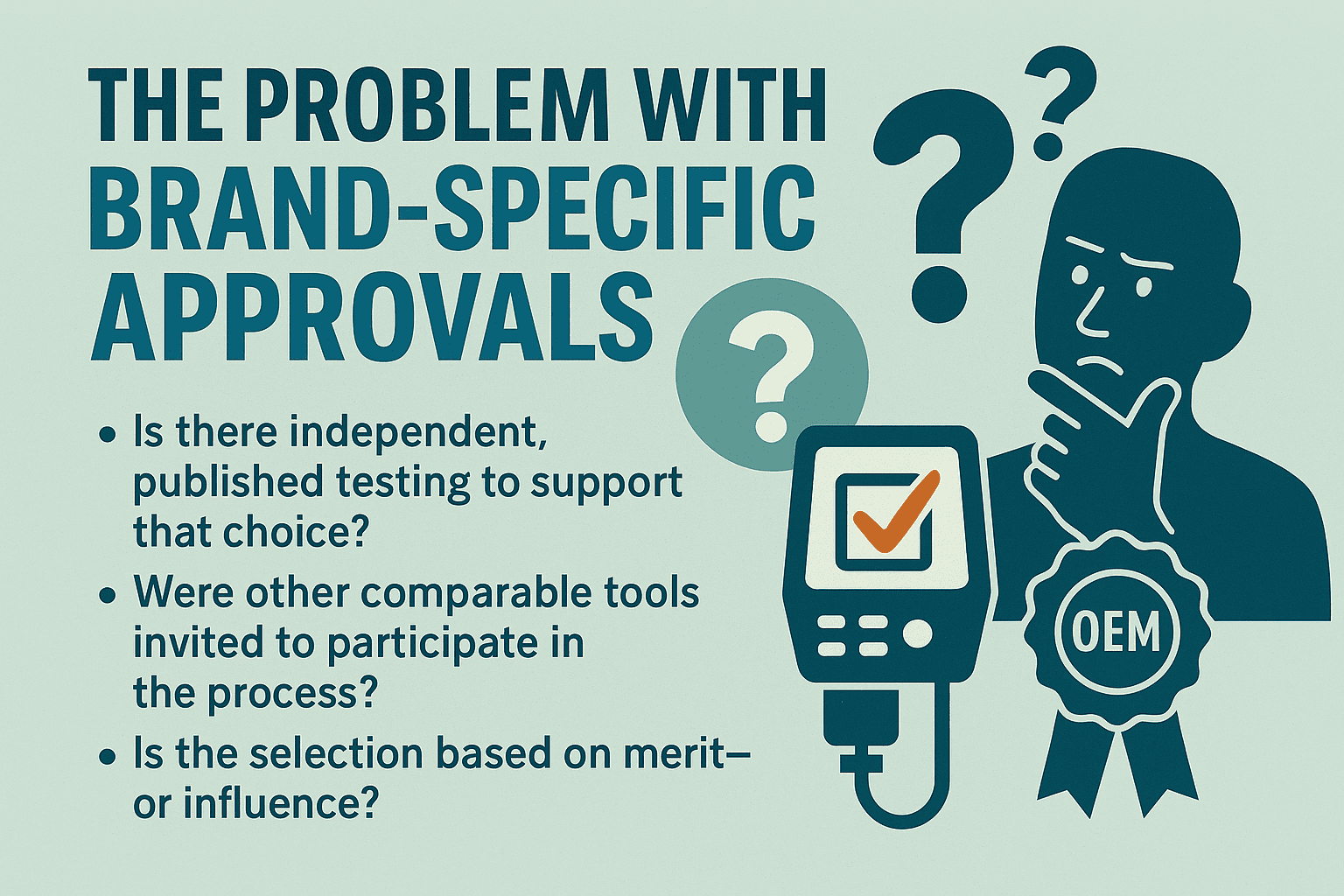
Some OEM programs still limit shops to a narrow list of approved products. That raises important questions:
- Is there independent, published testing supporting that selection?
- Were comparable tools given the opportunity to be evaluated?
- Is the decision based on merit—or influence?
Where’s the Transparency?
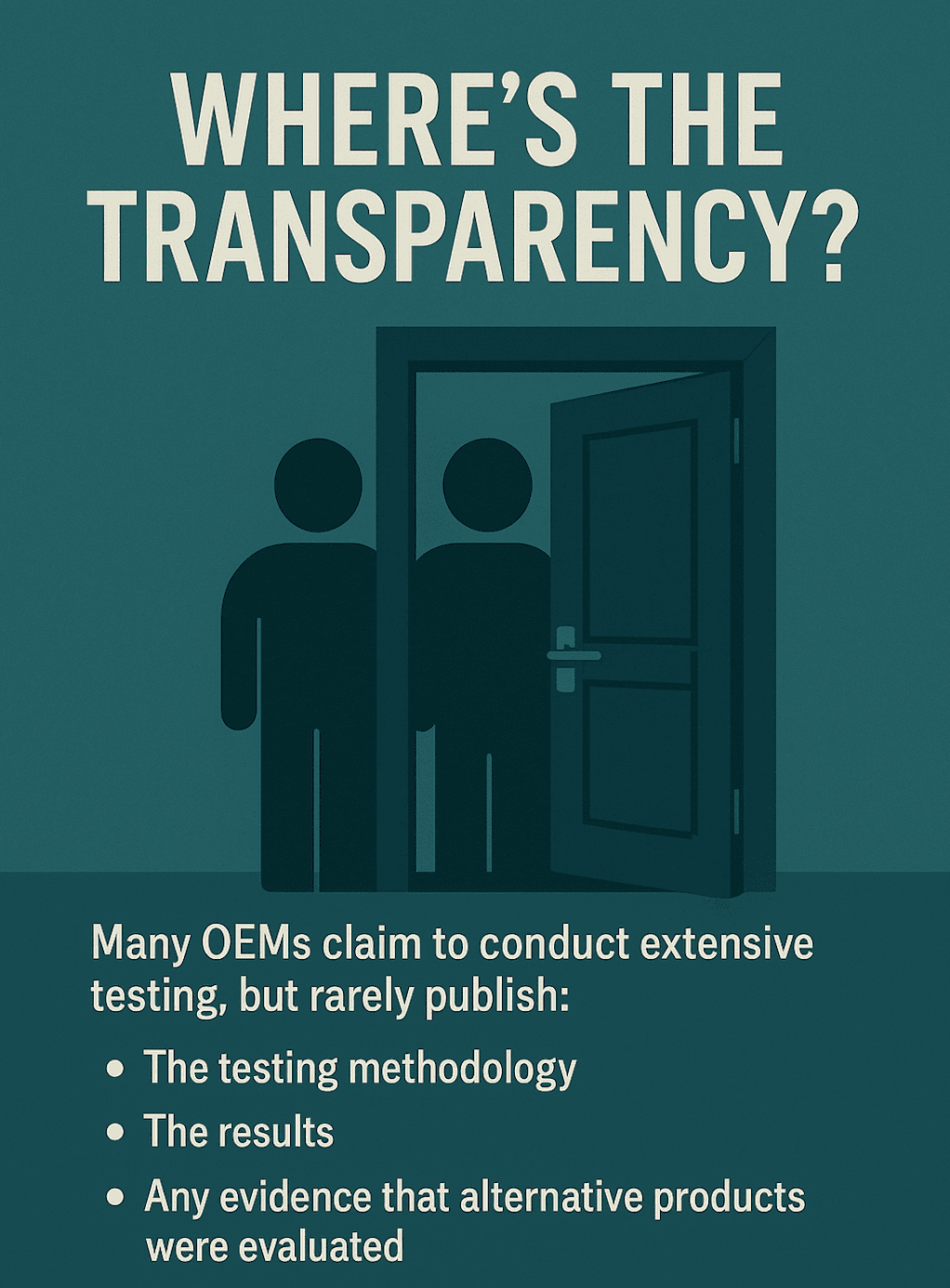
Many OEMs state that extensive testing is performed—but rarely publish the details behind those decisions.
- Testing methodology
- Actual results
- Evidence of alternative product evaluation
Without transparency, it becomes difficult for shops to fully trust the system.
A Look at Industry Structure
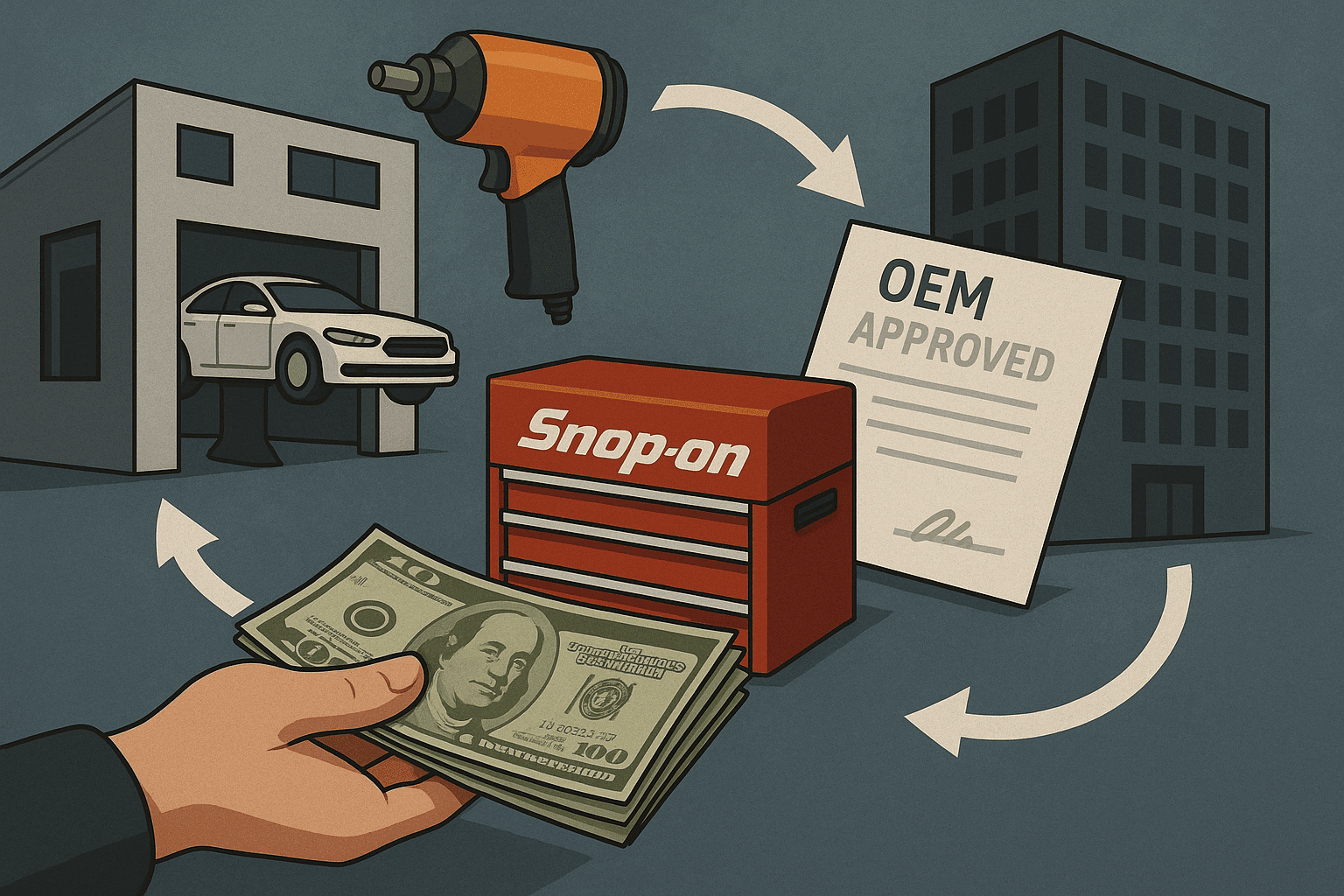
In some cases, the same organizations are involved in manufacturing equipment, influencing approval programs, and financing those same tools.
While efficient, this level of integration raises valid concerns about objectivity, competition, and whether the system ultimately benefits the shop—or the ecosystem around it.
Who Pays the Price?
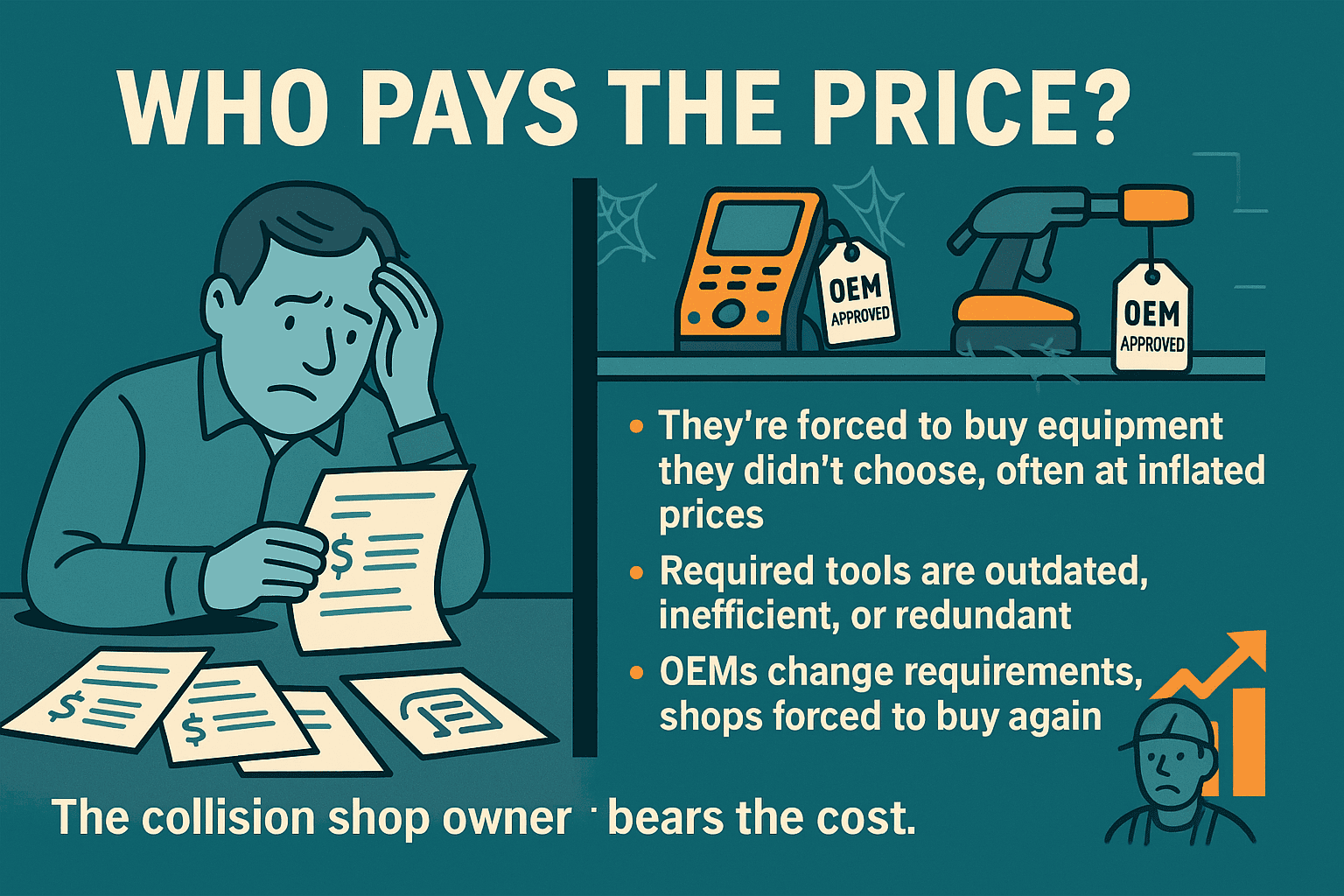
- Shops are required to invest in equipment they didn’t choose
- Costs are often higher than necessary
- Some tools are underutilized or redundant
- Changing requirements can force repeated reinvestment
Ultimately, the collision shop bears the cost.
What the Industry Needs
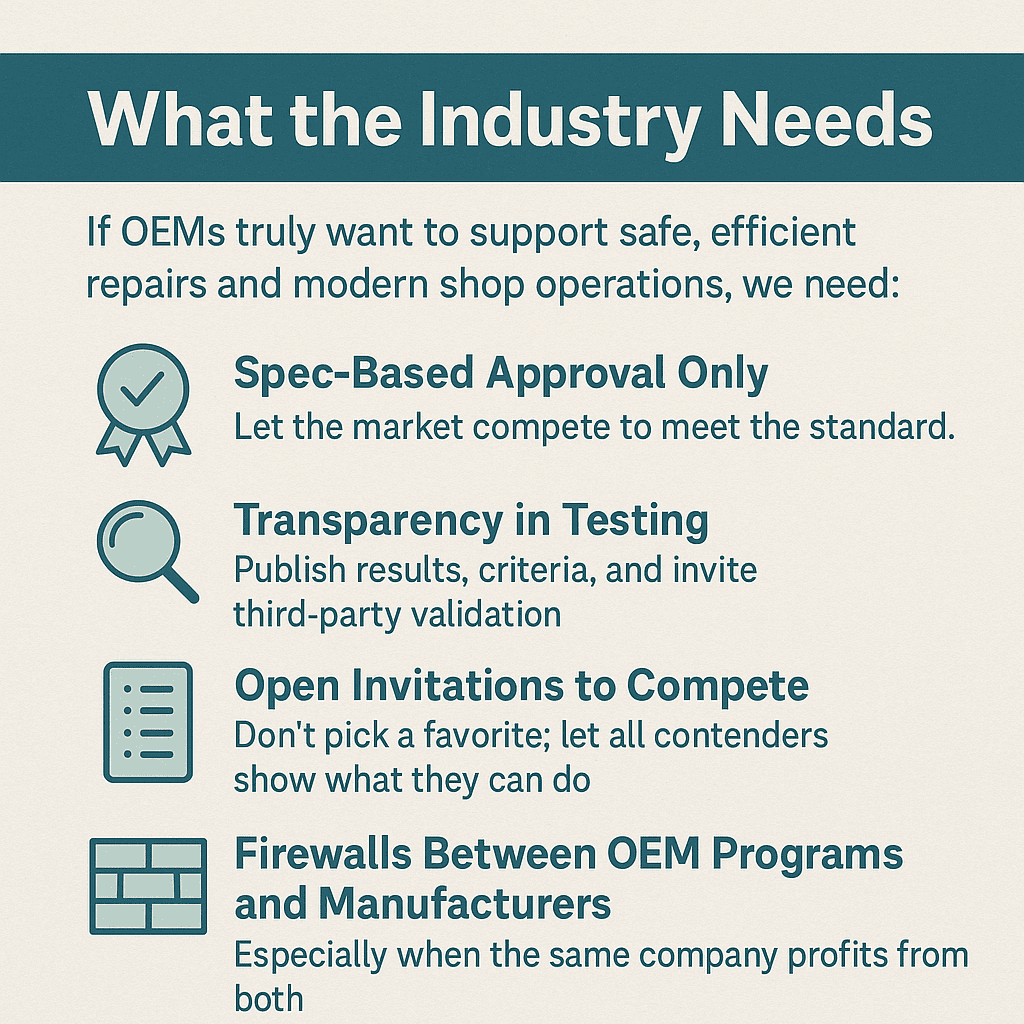
- Spec-Based Approval – Let performance define the standard
- Transparency – Publish criteria and results
- Open Competition – Allow all qualified manufacturers to compete
- Separation of Influence – Reduce conflicts of interest
Final Thoughts

This conversation isn’t about one brand versus another.
It’s about fairness, transparency, and giving shops the ability to make informed decisions about the equipment they invest in.
The shift toward spec-based approvals is a step in the right direction. The question is whether the industry continues down that path—or moves further into closed systems.
Browse GYS Equipment
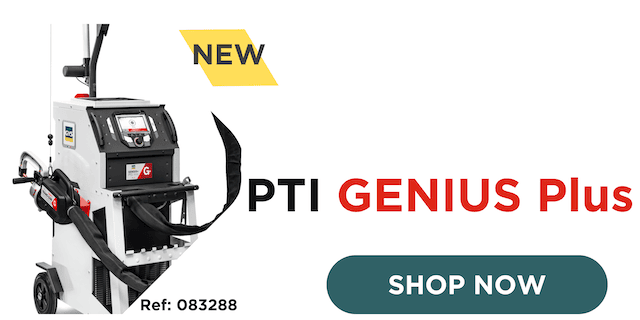
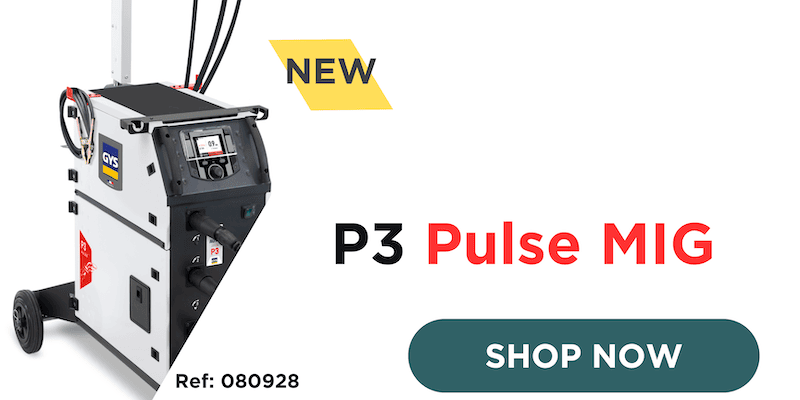
Industry-leading spot welders, induction heaters, and repair solutions built for professional collision repair and OEM compliance.
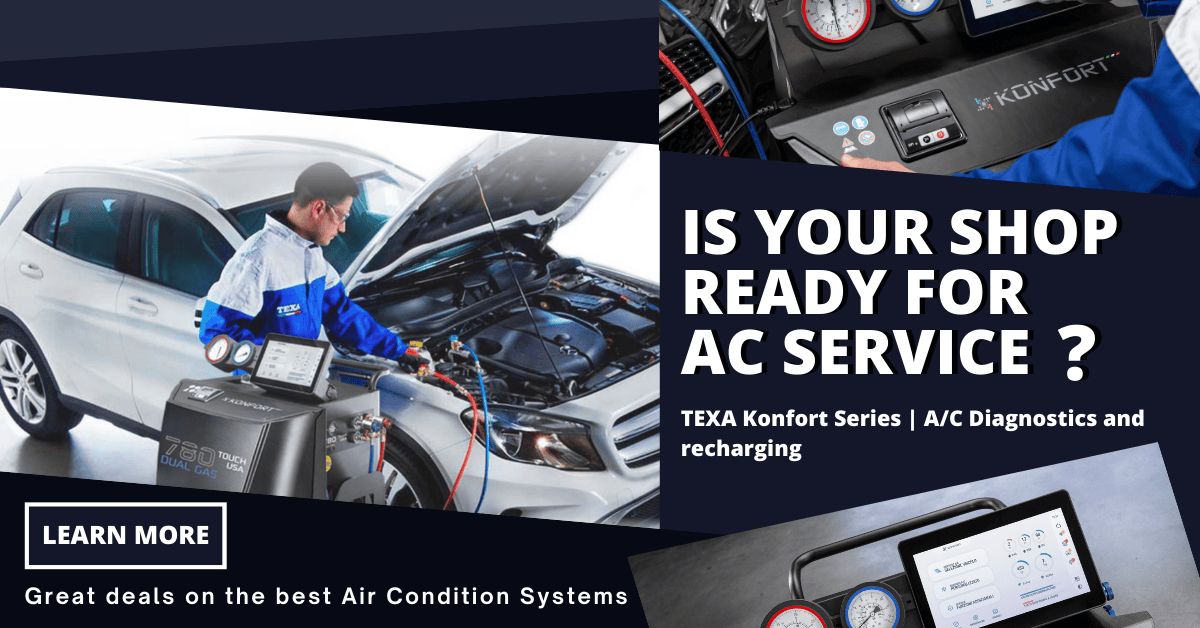
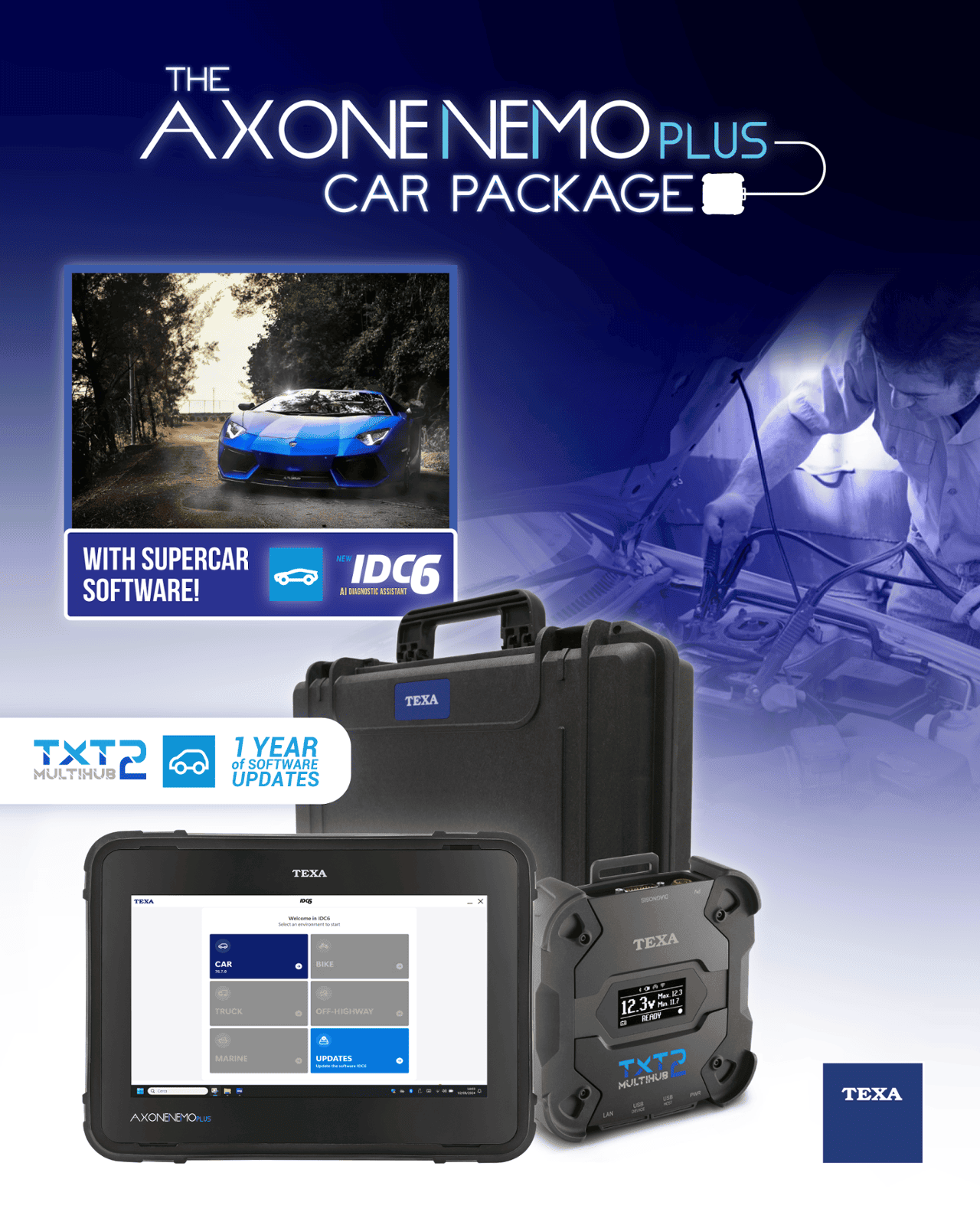
Explore TEXA Diagnostics
Powerful, multibrand diagnostic platforms for cars, trucks, motorcycles, marine, and off-highway vehicles—paired with cutting-edge software and rugged tablets.
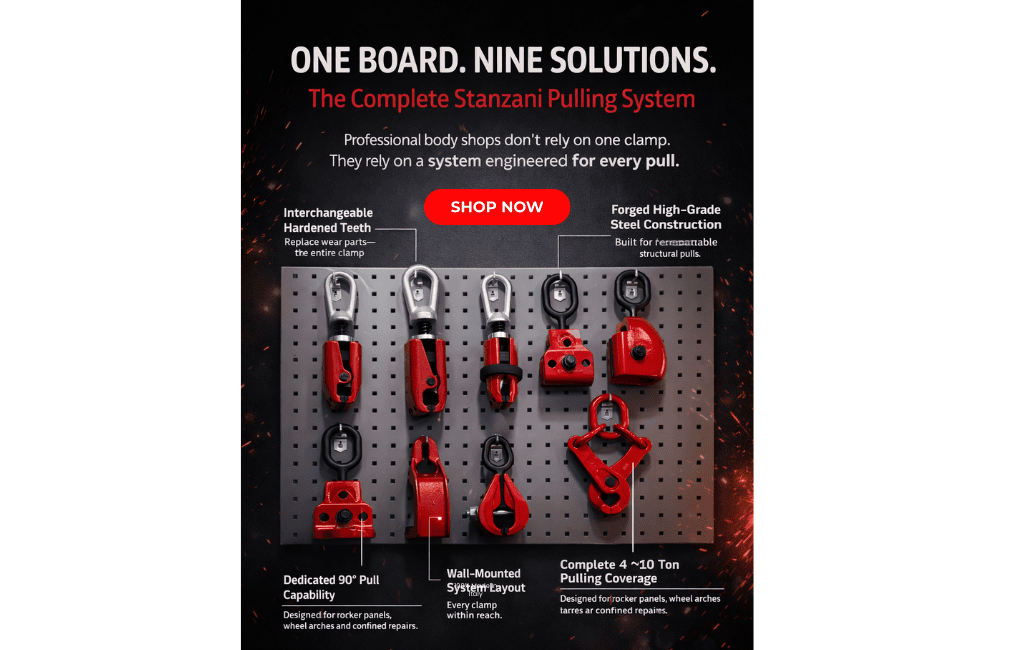
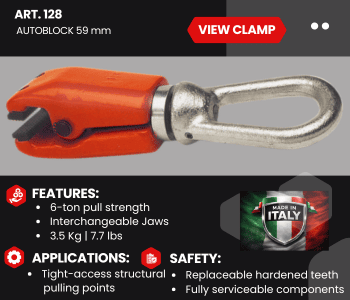
Shop Stanzani Clamping Systems
Engineered in Italy, Stanzani's precision clamping tools are trusted by top-tier shops for advanced structural repair and anchoring.
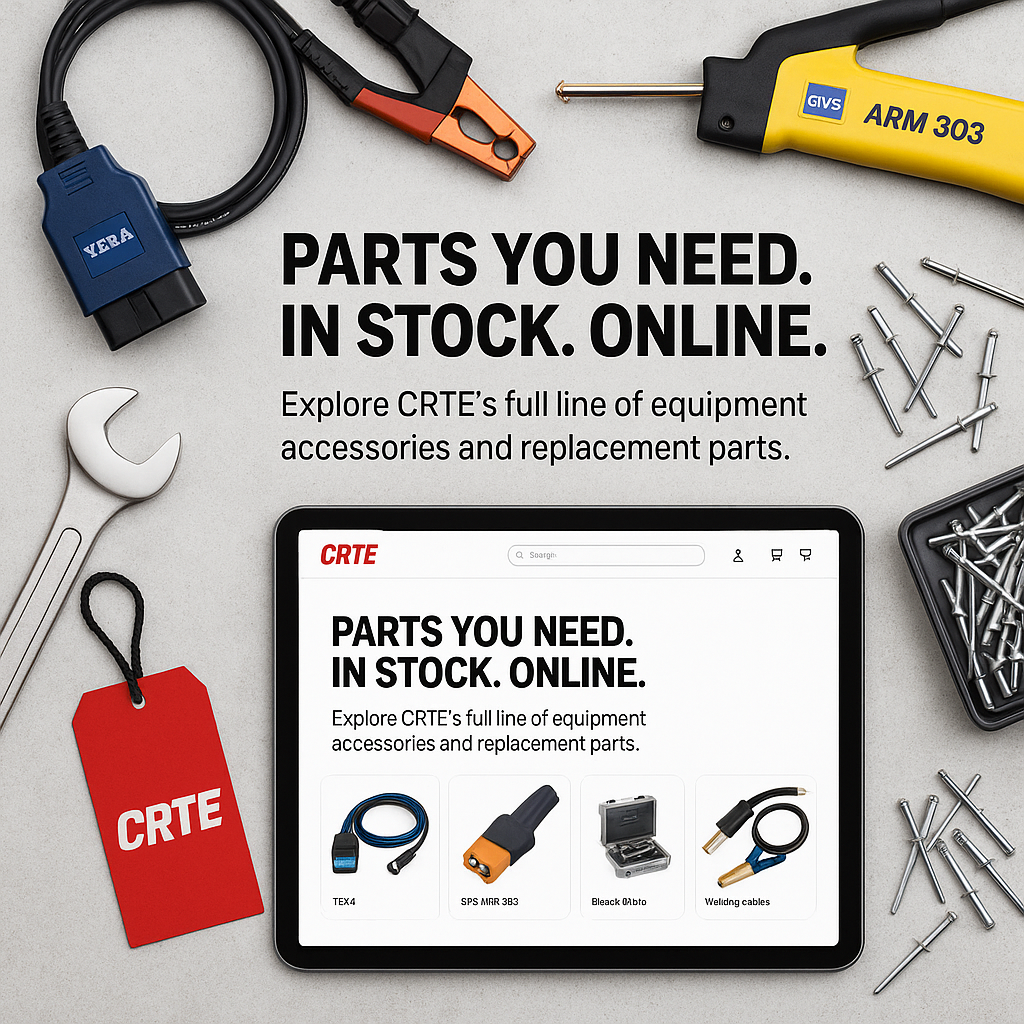
Explore the Online Store
Shop OEM tools, accessories, and parts from GYS, TEXA, Stanzani & more — available now from CRTE’s online store.
Now Live: Our New Website!
Now Live: Our New Website!
We’re excited to announce the official launch of innovativecrte.com! Our new site makes it easier than ever to explore our products, learn about the brands we represent, and request a quote. We’ll be continuously expanding with more resources, product support, and exclusive promotions.
Please Note: Our website is still under construction, but we’re proud of the progress and invite you to explore what’s live so far. If you come across any issues or have suggestions, please contact Nick Mattera at nick@innovativecrte.com. Nick is dedicating all available time to building new product pages and crafting an exceptional customer experience.
Your feedback is valued and will help shape the future of the site!
